Ethyl Lactate as a Green Solvent in Terms of Sustainability and Economic Perspectives in Organic Synthesis Esterification: A Review

-
 Abian Hilmi Hidayat(1*)
 Chemistry Engineering Department, Universitas Negeri Semarang, Semarang Regency, Central Java
-
Mochamad Brian Laksana(2)
Chemistry Engineering Department, Universitas Negeri Semarang, Semarang Regency, Central Java
-
Zulfa Zakariya(3)
Chemistry Engineering Department, Universitas Negeri Semarang, Semarang Regency, Central Java
(*) Corresponding Author
Abstract
This study presents a comprehensive analysis of ethyl lactate as a sustainable green solvent in organic synthesis, with a focus on feedstock evaluation and economic feasibility. A systematic literature-based approach was employed, covering publications from 2020 to 2025, and assessing two key aspects: (i) the source and cost of feedstocks, including whey, sugarcane molasses, rice straw, and starch, and (ii) the performance of ethyl lactate in various organic transformations. Techno-economic analysis estimates the cost of production (CoP) of ethyl lactate from sugarcane molasses in the range of USD 1,300-1,500/ton, while production from rice straw is estimated at around USD 5,600/ton, highlighting the economic advantage of molasses-based routes. Ethyl lactate has also demonstrated high effectiveness, achieving yields of 90-95% in various reactions such as coupling, metathesis, and ester synthesis. These findings reinforce the potential of ethyl lactate to support the chemical industry's transition toward more environmentally friendly processes, offering a compelling combination of technical performance and economic viability.
Downloads
References
P. Mainkar, A. Ray, and S. Chandrasekhar, “Solvents: From Past to Present,” ACS Omega, 2023, doi: 10.1021/acsomega.3c07508.
T. Shen et al., “Recent advances on micellar catalysis in water,” Adv. Colloid Interface Sci., vol. 287, p. 102299, 2021, doi: 10.1016/j.cis.2020.102299.
R. Guspratiwi, “Pengaruh Lactobacillus sp. Dan Streptococcus sp. Dalam Pembuatan Yogurt,” J. Ilm. Multidisiplin Nusant., vol. 1, no. 2, pp. 91–95, 2023.
M. Tomioka, “High-throughput assessment of the behavioral responses to toxic organic solvents in Caenorhabditis elegans,” PLoS One, vol. 20, no. 4 April, pp. 1–27, 2025, doi: 10.1371/journal.pone.0311460.
R. Pourbabaki, M. Amin Rajizadeh, A. Faghihi Zarandi, M. Sadeghi-Yarandi, and Z. Damiri, “Chemical Agents that Cause Occupational Diseases: Toxicity, Exposure Routes, and Health Effects,” pp. 1–14, 2025, doi: 10.5772/intechopen.1008774.
M. Usman, S. Cheng, S. Boonyubol, and J. S. Cross, “Evaluating Green Solvents for Bio-Oil Extraction: Advancements, Challenges, and Future Perspectives,” Energies, vol. 16, no. 15, 2023, doi: 10.3390/en16155852.
S. M. Cohen, C. Bevan, B. Gollapudi, and J. E. Klaunig, “Evaluation of the carcinogenicity of carbon tetrachloride,” J. Toxicol. Environ. Heal. - Part B Crit. Rev., vol. 26, no. 6, pp. 342–370, 2023, doi: 10.1080/10937404.2023.2220147.
E. David and V. C. Niculescu, “Volatile organic compounds (Vocs) as environmental pollutants: Occurrence and mitigation using nanomaterials,” Int. J. Environ. Res. Public Health, vol. 18, no. 24, 2021, doi: 10.3390/ijerph182413147.
P. Shah, S. Parikh, M. Shah, and S. Dharaskar, “A holistic review on application of green solvents and replacement study for conventional solvents,” Biomass Convers. Biorefinery, vol. 12, no. 5, pp. 1985–1999, 2022, doi: 10.1007/s13399-021-01465-2.
M. S. Taghavi Dehaghani, Z. Esfandiari, H. Rostamabadi, and H. R. Nodeh, “Application of amino acid-based natural deep eutectic solvents in extraction of different analytes: A review study,” Trends Food Sci. Technol., vol. 147, no. March, p. 104448, 2024, doi: 10.1016/j.tifs.2024.104448.
S. I. Kaya, A. Cetinkaya, and S. A. Ozkan, “Green analytical chemistry approaches on environmental analysis,” Trends Environ. Anal. Chem., vol. 33, no. December 2021, p. e00157, 2022, doi: 10.1016/j.teac.2022.e00157.
S. Panda and S. Gorantla, “Green Analytical Approaches and Eco-Friendly Solvents: Advancing Industrial Applications and Environmental Sustainability: A Comprehensive Review,” Orient. J. Chem., vol. 41, no. 2, pp. 616–627, Apr. 2025, doi: 10.13005/ojc/410231.
A. Viñas-Ospino, D. López-Malo, M. J. Esteve, A. Frígola, and J. Blesa, “Green Solvents: Emerging Alternatives for Carotenoid Extraction from Fruit and Vegetable By-Products,” Foods, vol. 12, no. 4, pp. 1–19, 2023, doi: 10.3390/foods12040863.
O. W. A. Albasri and L. S. Adham, “Granted Patents Related to Green Solvents: A Review,” Haya Saudi J. Life Sci., vol. 10, no. 03, pp. 60–73, Mar. 2025, doi: 10.36348/sjls.2025.v10i03.003.
A. R. Buzatu et al., “Reactive natural deep eutectic solvents increase selectivity and efficiency of lipase catalyzed esterification of carbohydrate polyols,” Catal. Today, vol. 426, no. February 2023, 2024, doi: 10.1016/j.cattod.2023.114373.
F. S. A. Razzak, “Review on green solvent supercritical carbon dioxide and its chemical reactions,” J. Sci. Res., vol. 65, no. 08, pp. 17–22, 2021, doi: 10.37398/jsr.2021.650804.
F. F. Ali, M. F. J., Praveen M., Ghouse A., “A Brief Review of Ionic Liquids: Synthesis and Applications,” Int. J. Biomed Res., vol. 1, no. 2, pp. 165–186, 2021.
A. V. Dolzhenko, “Ethyl lactate and its aqueous solutions as sustainable media for organic synthesis,” Sustain. Chem. Pharm., vol. 18, p. 100322, Dec. 2020, doi: 10.1016/j.scp.2020.100322.
N. Winterton, “The green solvent: a critical perspective,” Clean Technol. Environ. Policy, vol. 23, no. 9, pp. 2499–2522, Nov. 2021, doi: 10.1007/s10098-021-02188-8.
P. Velho, P. F. Requejo, E. Gómez, and E. A. Macedo, “Novel ethyl lactate based ATPS for the purification of rutin and quercetin,” Sep. Purif. Technol., vol. 252, p. 117447, Dec. 2020, doi: 10.1016/j.seppur.2020.117447.
A. Nandini, S. D. Nuherdiana, D. Nagarajan, and J. S. Jo Shu- Chang, “Optimasi Mikroorganisme (LAB) terhadap Pembentukan Asam Laktat dengan Metode Batch Fermentasi,” Akta Kim. Indones., vol. 6, no. 2, p. 127, Nov. 2021, doi: 10.12962/j25493736.v6i2.7846.
Y. Zhang et al., “Homogeneous and heterogeneous selective oxidation of ethyl lactate regulated by a novel vanadium complex,” J. Catal., vol. 441, p. 115849, Jan. 2025, doi: 10.1016/j.jcat.2024.115849.
K. J. Ardila‐Fierro and J. G. Hernández, “Sustainability Assessment of Mechanochemistry by Using the Twelve Principles of Green Chemistry,” ChemSusChem, vol. 14, no. 10, pp. 2145–2162, May 2021, doi: 10.1002/cssc.202100478.
A. M. Research, “Ethyl Lactate Market by Application and End User: Global Opportunity Analysis and Industry Forecast 2021–2030,” 2021. [Online]. Available: https://www.alliedmarketresearch.com/press-release/lactic-acid-ester-market.html
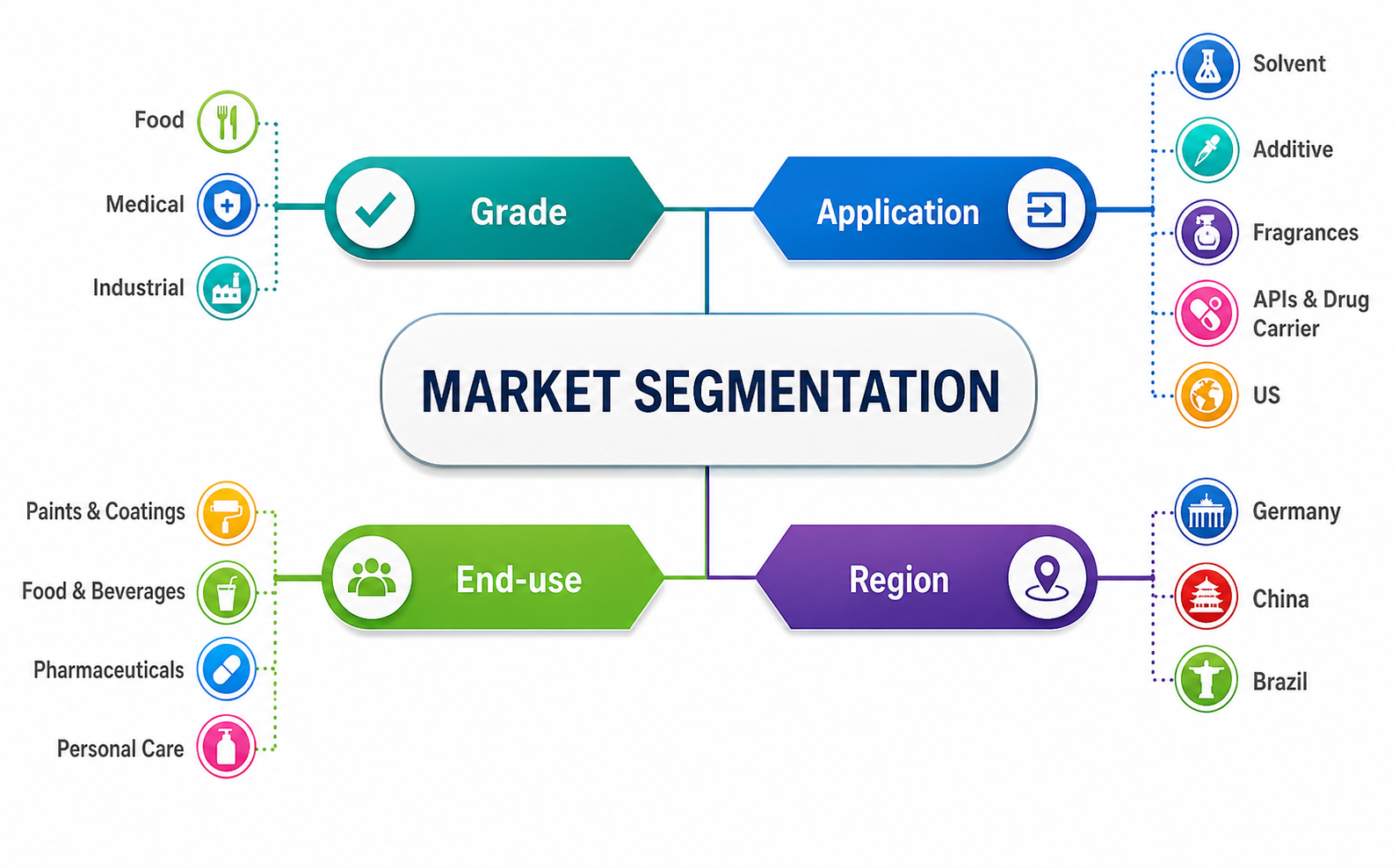
Market.us, “Global Ethyl Lactate Market By Grade (Food Grade, Medical Grade, and Industrial Grade) By End-Use Industry (Cosmetics, Electronics, Food & Beverage, Paints & Coatings, Pharmaceuticals, and Other End-Use Industries) By Region and Companies - Industry Segme,” 2023. [Online]. Available: https://market.us/report/ethyl-lactate-market
P. Stipsitz, M. Mandl, and M. Harasek, “Ethyl lactate production by reactive distillation – optimization of reaction kinetics and energy efficiency,” Open Res. Eur., vol. 1, p. 82, 2021, doi: 10.12688/openreseurope.13744.2.
P. R. Ramos, A. L. de Oliveira, G. V. C. Ramos, and E. S. Kamimura, “Esterification Process in Supercritical Carbon Dioxide Catalyzed by Geotrichum candidum Lipase Produced with Mozzarella Cheese Whey and Corn Steep Liquor,” Processes, vol. 12, no. 10, p. 2086, Sep. 2024, doi: 10.3390/pr12102086.
R. Younas et al., “Selective Production of Ethyl Lactate from Rice Straw in the Presence of Lewis and Brønsted Acids,” Waste and Biomass Valorization, vol. 11, no. 12, pp. 6515–6528, Dec. 2020, doi: 10.1007/s12649-019-00898-1.
Q. Ding et al., “Reactive distillation for sustainable synthesis of bio-ethyl lactate: Kinetics, pilot-scale experiments and process analysis,” Chem. Eng. Res. Des., vol. 179, pp. 388–400, 2022, doi: 10.1016/j.cherd.2022.01.034.
N. Wang, Q. Ding, H. Li, Y. Jiao, X. Fan, and X. Gao, “Life cycle and techno-economic assessment of ethyl lactate production via reactive distillation with structured catalytic packing,” J. Clean. Prod., vol. 369, no. July, p. 133412, 2022, doi: 10.1016/j.jclepro.2022.133412.
Rahmayetty, M. Yulvianti, and R. Hartono, “Synthesis of Lactic Acid from Molasses by Lactobacillus acidophilus Using a Batch Fermentation Process,” J. Rekayasa Kim. dan Lingkung., vol. 17, no. 2, pp. 104–113, 2022.
X. Li, X. Zhang, H. Jian, X. Xu, and Y. Xi, “Biocycle Fermentation Based on Lactic Acid Bacteria and Yeast for the Production of Natural Ethyl Lactate,” ACS Omega, vol. 4, no. 14, pp. 16009–16015, Oct. 2019, doi: 10.1021/acsomega.9b02121.
U. Choudhary, A. Poonia, and M. Iñiguez-Moreno, “Whey: Chemistry and Its Biotechnological Potential,” in Whey Valorization, Singapore: Springer Nature Singapore, 2023, pp. 29–45. doi: 10.1007/978-981-99-5459-9_2.
R. Kupila, K. Lappalainen, T. Hu, A. Heponiemi, D. Bergna, and U. Lassi, “Production of ethyl lactate by activated carbon-supported Sn and Zn oxide catalysts utilizing lignocellulosic side streams,” Appl. Catal. A Gen., vol. 624, p. 118327, Aug. 2021, doi: 10.1016/j.apcata.2021.118327.
E. Abedi and S. M. B. Hashemi, “Lactic acid production – producing microorganisms and substrates sources-state of art,” Heliyon, vol. 6, no. 10, p. e04974, Oct. 2020, doi: 10.1016/j.heliyon.2020.e04974.
S. Planer, A. Jana, and K. Grela, “Ethyl Lactate: A Green Solvent for Olefin Metathesis,” ChemSusChem, vol. 12, no. 20, pp. 4655–4661, Oct. 2019, doi: 10.1002/cssc.201901735.
J.-P. Wan, Y. Jing, and Y. Liu, “Ethyl lactate mediated thioacetalization of aldehydes at ambient temperature,” Phosphorus. Sulfur. Silicon Relat. Elem., vol. 191, no. 10, pp. 1302–1305, Oct. 2016, doi: 10.1080/10426507.2016.1209504.
G. C. Pariyar, T. Kundu, B. Mitra, S. Mukherjee, and P. Ghosh, “Ethyl lactate: An Efficient Green Mediator for Transition Metal Free Synthesis of Symmetric and Unsymmetric Azobenzenes,” ChemistrySelect, vol. 5, no. 31, pp. 9781–9786, Aug. 2020, doi: 10.1002/slct.202002629.
T. H. Kwan, Y. Hu, and C. S. K. Lin, “Techno-economic analysis of a food waste valorisation process for lactic acid, lactide and poly(lactic acid) production,” J. Clean. Prod., vol. 181, pp. 72–87, Apr. 2018, doi: 10.1016/j.jclepro.2018.01.179.
A. Manandhar and A. Shah, “Techno-Economic Analysis of the Production of Lactic Acid from Lignocellulosic Biomass,” Fermentation, vol. 9, no. 7, 2023, doi: 10.3390/fermentation9070641.
R. C. d. A. Castro, C. E. Cabrera Camacho, I. C. Roberto, and S. I. Mussatto, “Techno-economic assessment of rice straw biorefineries to produce ethanol with co-production of xylitol and phenolic acids,” Biomass and Bioenergy, vol. 197, no. July 2024, 2025, doi: 10.1016/j.biombioe.2025.107804.
M. A. Abdullah, H. A. Hussein, and O. M. S. Alshajrawia, “Ethyl lactate as a green solvent in the pharmaceutical industry,” Green Sustain. Process Chem. Environ. Eng. Sci. Solvents Pharm. Ind., pp. 185–194, Jan. 2021, doi: 10.1016/B978-0-12-821885-3.00005-0.
M. I. Taipabu, K. Viswanathan, H. T. Chen, and W. Wu, “Green solvent production of ethyl lactate via process intensification,” J. Taiwan Inst. Chem. Eng., vol. 146, no. March, p. 104876, 2023, doi: 10.1016/j.jtice.2023.104876.
Copyright (c) 2026 Abian Hilmi Hidayat, Mochamad Brian Laksana, Zulfa Zakariya

This work is licensed under a Creative Commons Attribution-ShareAlike 4.0 International License.
 This work is licensed under a Creative Commons Attribution-ShareAlike 4.0 International License. Copyright is retained by the authors, and articles can be freely used and distributed by others.